
 go.vaclaimsinsider.com
Looking for Expert-Level VA Claim Answers? Schedule a Call
No, there is no specific nasal polyps VA disability rating. However, you may still qualify for VA compensation and benefits.
This quick guide will cover what you need to know if you have nasal polyps, how to service connect your condition, and how to file for VA disability.
Related: Review ratings for other respiratory conditions and our complete VA Disability Ratings Guide.
Let’s get to it.
Table of Contents
Summary of Key Points
- Nasal polyps are non-cancerous growths that can cause headaches, coughing, and a runny nose.
- There is no specific nasal polyps VA disability rating; instead, you may be rated based on the condition that is causing the nasal polyps.
- It’s highly recommended you receive a current medical diagnosis to service connect your condition.
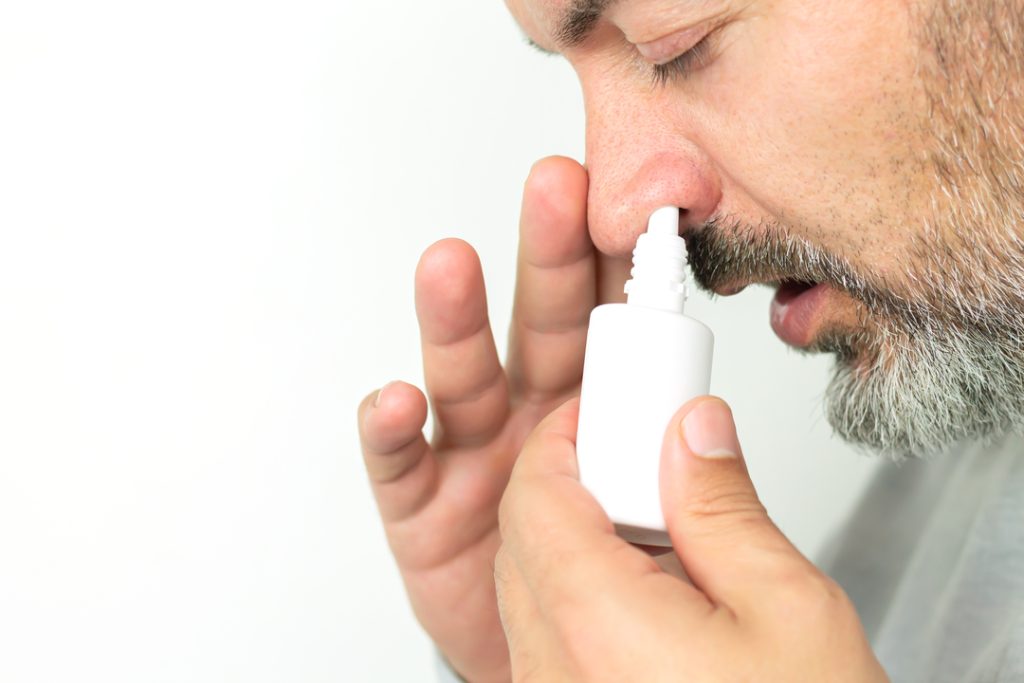
What are Nasal Polyps?
Nasal polyps are non-cancerous growths inside the nose. However, you may develop long-term symptoms like:
- Runny nose
- Itching around the eyes
- Decreased sense of smell or taste
- Cough
- Headache
While typically painless, nasal polyps can be a symptom of sinusitis, a ratable VA condition. Or you may qualify for an allergic rhinitis with polyps VA disability, which has similar symptoms to the common cold but can significantly impact your daily life.
So, while there is no specific nasal polyps VA rating, you may still be eligible for VA compensation and benefits.
It’s essential you receive a medical diagnosis because it’s significantly more challenging to obtain a VA rating without a current medical diagnosis of your condition.

How the VA Rates Nasal Polyps
Since there is no nasal polyps VA disability rating, your VA claim must be for a VA-ratable condition.
For example, sinusitis, which causes nasal polyps, is rated under diagnostic codes (DC) 6510 through 6514 with 0%, 10%, 30%, or 50%, depending on the severity, frequency, and duration of your symptoms.
| General Rating Formula for Sinusitis | VA Rating |
| Following radical surgery with chronic osteomyelitis, or; near constant sinusitis characterized by headaches, pain and tenderness of affected sinus, and purulent discharge or crusting after repeated surgeries | 50% |
| Three or more incapacitating episodes per year of sinusitis requiring prolonged (lasting four to six weeks) antibiotic treatment, or; more than six non-incapacitating episodes per year of sinusitis characterized by headaches, pain, and purulent discharge or crusting | 30% |
| One or two incapacitating episodes per year of sinusitis requiring prolonged (lasting four to six weeks) antibiotic treatment, or; three to six non-incapacitating episodes per year of sinusitis characterized by headaches, pain, and purulent discharge or crusting | 10% |
| Detected by X-ray only | 0% |
Note: An incapacitating episode of sinusitis means one that requires bed rest and treatment by a physician.
Related: Learn more about how to get a Sinusitis VA Rating HERE.
Proving Service Connection
To service connect your condition, you must prove documentation of the following three things:
- A current diagnosis of an identified disability;
- An in-service event, injury, or illness that caused or aggravated the disability;
- A medical nexus (or link) between the present condition and the incident. (can be a Nexus Letter)
How to File a VA Claim
It’s typically fastest to file your VA claim online, but you have other options.
You can file your VA claim one of the following ways:
- By mail
- Via fax
- In person at a local regional VA center
If you don’t file your VA claim online, you’ll need to download and complete VA Form 21-526EZ.
RELATED
- 3 Best Ways to Get a VA Sinusitis Rating
- VA Secondary Conditions to Allergic Rhinitis
- Is Your Sinusitis Causing other Disabilities? 4 Secondary Conditions to Sinusitis
- 5 Tips For a Chronic Rhinitis VA Rating
Conclusion
While there’s no standalone VA disability rating for nasal polyps, that doesn’t mean you’re out of options. The key is understanding that the VA evaluates nasal polyps through the underlying condition causing them, such as sinusitis or allergic rhinitis.
To secure compensation, focus on getting a clear medical diagnosis, identifying the correct ratable condition, and building strong evidence for service connection. The more thoroughly your symptoms, frequency, and functional impact are documented, the better your chances of receiving an accurate rating.
If nasal polyps are disrupting your breathing, sleep, or daily life, don’t dismiss them as minor — what matters is how they’re connected to a ratable condition and how well your evidence supports your claim.
NEED MORE ASSISTANCE?
Most veterans are underrated for their disabilities and, therefore, not getting the compensation they’re due. At VA Claims Insider, we educate you on how to understand and take control of the claims process so you can get the rating and compensation you’re owed by law.
Our process takes the guesswork out of filing a VA disability claim and supports you every step of the way in building a fully developed claim (FDC) — so you can increase your rating fast! If you’ve filed your VA disability claim and have been denied or have received a low rating — or you’re unsure how to get started — reach out to us!
Take advantage of a VA Claim Discovery Call. Learn what you’ve been missing — so you can FINALLY get the disability rating and compensation you deserve!
FAQs | Frequently Asked Questions
Is there a VA disability rating for nasal polyps?
No. The VA does not assign a specific rating for nasal polyps. Instead, they are rated under related conditions like sinusitis or allergic rhinitis.
How does the VA rate nasal polyps?
The VA rates nasal polyps based on the underlying condition causing them, commonly sinusitis (DC 6510–6514) or allergic rhinitis, with ratings depending on severity and frequency of symptoms.
Can I get VA disability for nasal polyps?
Yes. You may qualify if your nasal polyps are linked to a service-connected condition and cause measurable symptoms or functional impairment.
What evidence do I need for a nasal polyps VA claim?
You’ll need a current diagnosis, medical records showing symptoms and treatment, evidence of an in-service event or exposure, and a nexus linking your condition to service.
What is the VA rating for sinusitis with nasal polyps?
Sinusitis can be rated at 0%, 10%, 30%, or 50%, depending on the number of episodes, severity of symptoms, and need for treatments like antibiotics or surgery.
Can nasal polyps be service-connected as secondary conditions?
Yes. Nasal polyps may be service-connected secondarily if they are caused or aggravated by another service-connected condition, such as chronic sinusitis or allergic rhinitis.
About the Author

Brian Reese
Brian Reese is a world-renowned VA disability benefits expert and the #1 bestselling author of VA Claim Secrets and You Deserve It. Motivated by his own frustration with the VA claim process, Brian founded VA Claims Insider to help disabled veterans secure their VA disability compensation faster, regardless of their past struggles with the VA. Since 2013, he has positively impacted the lives of over 10 million military, veterans, and their families.
A former active-duty Air Force officer, Brian has extensive experience leading diverse teams in challenging international environments, including a combat tour in Afghanistan in 2011 supporting Operation ENDURING FREEDOM.
Brian is a Distinguished Graduate of Management from the United States Air Force Academy and earned his MBA from Oklahoma State University’s Spears School of Business, where he was a National Honor Scholar, ranking in the top 1% of his class.