What is Service Connection?
If you’re a veteran seeking VA disability compensation, understanding service connection is crucial to getting the benefits you deserve.
Service connection is the legal link between your current disability and your military service — it’s the foundation of every successful VA claim. Without it, the VA won’t grant benefits, no matter how severe your condition.
However, once you understand how service connection works, you can build a stronger, more strategic claim.
Summary of Key Points
- Direct service connection and secondary service connection are the primary types of service connection for VA disability claims.
- Presumptive conditions fall under direct service connection and require less proof because the VA assumes the connection if service requirements are met.
- The most common reason claims may get denied is lack of medical evidence proving your condition is connected to your service.
- Strong documentation and strategy can significantly increase your approval odds.
Table of Contents
Common Types of Service Connection
Understanding which type of service connection applies to your situation is critical because each requires a slightly different approach and evidence.
Direct Service Connection
Direct service connection means your disability was caused by or began during your military service. This is generally considered the most straightforward path to establishing service connection.
Presumptive conditions are disabilities the VA automatically assumes are service-connected based on specific exposures, locations, or timeframes. Service connecting presumptive conditions are technically considered a special type of direct service connection. You don’t need to prove the service connection, which can make presumptive claims easier to establish.
Secondary Service Connection
Secondary service connection applies when a service-connected condition causes or worsens another condition.
Why Service Connection Gets Denied
Many veterans may be denied service connection not because their condition isn’t real, but because their evidence isn’t strong enough.
The most common reasons for a denial include no clear current medical diagnosis, missing or weak nexus (link between service and condition), and lack of in-service documentation.
Which Type of Service Connection Applies to You?
Choosing the right path depends on your unique situation:
- If your condition started during service → Direct service connection
- If it developed because of another condition → Secondary service connection
- If it falls under a VA-recognized category → Presumptive service connection
Many veterans may actually qualify for multiple pathways at once, which can strengthen their claim.
How It All Fits Together
Service connection is the starting point of your VA claim, but it doesn’t exist in a vacuum. Once you establish service connection, the VA assigns a disability rating, which determines your monthly compensation.
Think of it like this:
- Service connection = eligibility
- Medical evidence = proof
- VA rating = payment & benefits
The stronger your foundation, the more likely your outcome.
Fellow Veterans: to get more info about the VA claims process, check out our VA Disability Claims Guide for Veterans for the overview and additional resources or jump straight to the 8-step claims process (with timelines)
FAQs | Frequently Asked Questions
What is the easiest type of service connection to get approved?
Presumptive service connection is typically the easiest because there’s a lower burden of proof. You don’t need to prove that your condition is connected to your service — if you meet the specific criteria, the VA “presumes” the connection.
Can I get service connection without medical records from service?
Yes, you can get a condition service connected without medical records, but you may need strong alternative evidence like lay statements or a medical nexus opinion.
What is a nexus letter?
A nexus letter is a medical opinion that connects your current condition to your military service. A nexus letter is not required to prove service connection, but it can strengthen your claim.
Can I have both direct and secondary service connection?
Yes. Many veterans may have a primary condition and multiple secondary conditions linked to service.
How long does it take to get service connection approved?
It varies, but most claims may take several months; appeals can take longer.
What should I do if my claim is denied?
If your claim is denied, review the denial reason carefully and strengthen your evidence before filing a supplemental claim or appeal.
Get Support Winning Your VA Claim
Understanding service connection is just the first step — building a winning claim takes the right strategy, medical evidence, and documentation.
If you’re ready to take the next step, consider getting expert-level support for:
- Identifying the strongest path to service connection
- Gathering the right evidence
- Avoiding common mistakes that lead to denial
You don’t have to figure this out alone. VA Claims Insider has helped 50,000+ veterans win a higher VA rating and get the compensation and benefits they deserve. Are you next?
Content Reviewed By

Quality Assurance Team
The Quality Assurance (QA) team at VA Claims Insider has extensive experience researching, fact-checking, and ensuring accuracy in all produced content. The QA team consists of individuals with specialized knowledge in the VA disability claims adjudication processes, laws and regulations, and they understand the needs of our target audience. Any changes or suggestions the QA team makes are thoroughly reviewed and incorporated into the content by our writers and creators.
About the Author
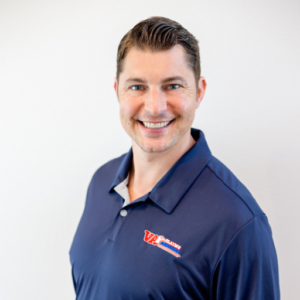
Brian Reese
Brian Reese is a world-renowned VA disability benefits expert and the #1 bestselling author of VA Claim Secrets and You Deserve It. Motivated by his own frustration with the VA claim process, Brian founded VA Claims Insider to help disabled veterans secure their VA disability compensation faster, regardless of their past struggles with the VA. Since 2013, he has positively impacted the lives of over 10 million military, veterans, and their families.
A former active-duty Air Force officer, Brian has extensive experience leading diverse teams in challenging international environments, including a combat tour in Afghanistan in 2011 supporting Operation ENDURING FREEDOM.
Brian is a Distinguished Graduate of Management from the United States Air Force Academy and earned his MBA from Oklahoma State University’s Spears School of Business, where he was a National Honor Scholar, ranking in the top 1% of his class.
IMPORTANT LEGAL DISCLAIMER
VA Claims Insider, LLC, and its affiliates ("we," "us", or "our") are not sponsored by, or affiliated with, the United States Department of Veterans Affairs, any state's Department of Veterans Affairs, or any other federally chartered veterans service organization. Other organizations, including, but not limited to, your state's Department of Veterans Affairs, your local county veterans service agency, and other federally chartered veterans service organizations, may be able to provide you with these services free of charge. Products or services offered by VA Claims Insider, LLC, and its affiliates are not necessarily endorsed by any of these organizations. You may qualify for other veterans' benefits beyond the services that VA Claims Insider, LLC and its affiliates offer.
None of our employees are accredited agents, VSOs, attorneys, or entities recognized by the United States Department of Veterans Affairs or any state's Department of Veterans Affairs, and none of our employees will assist you with the preparation, presentation, or prosecution of any claim for VA disability benefits. Before engaging with us, we strongly encourage you to discuss your disability claims matter with an accredited VSO, accredited attorney, or accredited claims agent, at www.va.gov/ogc/apps/accreditation/index.asp, all of whom are free to use. You are not required to use our website or services to submit a claim for VA disability benefits. You may receive a positive VA disability claim outcome without using our paid services. Furthermore, your use of our paid services does not and cannot affect the speed at which the VA processes your disability claims, as processing times are determined solely by the VA. VA CLAIMS INSIDER, LLC AND ITS AFFILIATES DO NOT GUARANTEE ANY SPECIFIC OUTCOMES OR RESULTS BY YOUR USE OF ITS WEBSITE OR SERVICES AND YOUR RESULTS MAY VARY FROM THE INFORMATION PROVIDED IN OUR ADVERTISEMENTS AND, ON THIS WEBSITE, INCLUDING BUT NOT LIMITED TO, SUCCESS PERCENTAGES, DISABILITY RATING INCREASES, AND PROCESSING TIMELINES ARE HISTORICAL AVERAGES ONLY, ARE NOT GUARANTEES OF FUTURE RESULTS, AND ARE NOT SPECIFIC TO ANY ONE CLAIM. SUCH INFORMATION VARIES OVER TIME, AND WE MAKE NO OBLIGATION TO KEEP SUCH INFORMATION CURRENT. The VA Claims Insider® name and logo are registered trademarks of VA Claims Insider, LLC.